
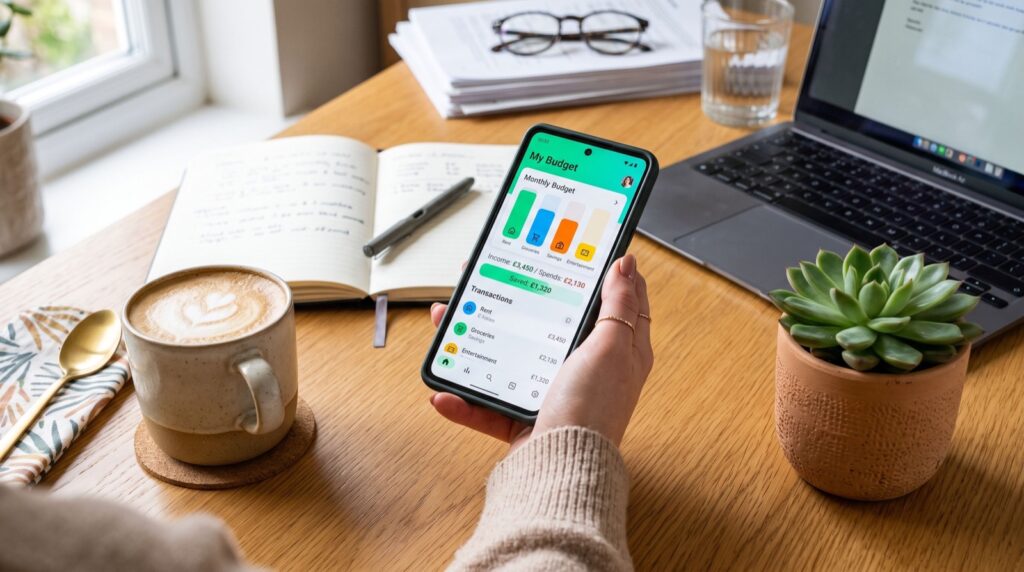
Not long ago, managing money meant a checkbook register, a shoebox of receipts, and a monthly trip to a bank teller. Today, most of that lives inside a device that fits in your pocket. The shift has been quiet but complete, and it has changed not just how we pay for things but how we think about our own financial habits.
For anyone trying to get a clearer picture of where their dollars go, the modern smartphone has become a genuine command center. The trick is not downloading every shiny tool you come across, but assembling a small, deliberate toolkit that fits the way you actually live. This guide walks through how to do exactly that without drowning in notifications.
Why Your Phone Quietly Became Your Wallet
The move from plastic to pixels did not happen because of one breakthrough. It was a slow accumulation of conveniences: tap-to-pay at the register, instant transfers between friends, balance alerts that arrive the moment a charge posts. Each small improvement made the physical wallet a little less necessary until, for many people, it became optional.
What makes this more than a novelty is the data trail. Every transaction is now searchable, sortable, and categorizable. That means you can answer questions you could never easily answer before, like how much you really spent on coffee last quarter or whether your grocery bill crept up when you were not watching.
The Categories That Actually Matter
When people talk about the best money apps, they often lump wildly different tools into one bucket. It helps to separate them by job. There are spending trackers that watch your accounts, saving tools that automate transfers, peer-to-peer payment services that move cash between people, and investing platforms that put your money to work. A healthy toolkit usually pulls one from each category rather than five from a single one.
Trying to make a single app do everything is where most people get frustrated. A budgeting tool that also handles investing tends to do both jobs adequately and neither one well. Picking specialists and letting them talk to each other through linked accounts almost always produces a cleaner result.
Budgeting Without the Spreadsheet Fatigue
The old advice was to log every purchase by hand. It worked for the disciplined few and quietly defeated everyone else. Modern tools flip the model: instead of asking you to record spending, they observe it and ask you to react. You set a monthly ceiling for dining out, and the app nudges you when you are approaching it.
This passive approach survives real life. You will not abandon it after a stressful week because it does not depend on you remembering anything. The best setups let you glance at a single screen and know within seconds whether the month is on track or drifting.
Automating the Boring Parts of Money
Willpower is a terrible savings strategy. The people who consistently build a cushion almost never rely on discipline alone; they rely on automation that moves money before they can spend it. A recurring transfer of even twenty dollars a week, scheduled the day after payday, quietly compounds into a meaningful balance over a year.
Some of the most useful personal finance tips come down to removing yourself from the decision entirely. Round-up features that sweep spare change into savings, bill reminders that prevent late fees, and automatic categorization all share the same philosophy: make the good choice the default, and let inertia do the rest.
Paying People and Businesses Instantly
The rise of instant transfers has reshaped everyday transactions, from splitting a dinner check to reimbursing a roommate for utilities. What used to require cash, a check, or a three-day bank delay now happens in seconds from a phone.
This convenience extends well beyond friends. When you hire help around the house or work with quality service providers, being able to send payment digitally the moment a job is finished removes a lot of awkwardness and paperwork. Just keep clear records of who you paid and why, because a tidy transaction history is worth its weight when tax season or a dispute rolls around.
Guarding Against the Downsides
Convenience always carries a cost, and with money apps the cost is exposure. A phone that holds your banking, payments, and investments is a tempting target. The defenses are not complicated, but they are non-negotiable: a strong device passcode, two-factor authentication on every financial account, and biometric locks wherever they are offered.
Scammers have adapted to the app era too. Be skeptical of anyone who insists on an instant, irreversible transfer, especially strangers claiming to be support agents or unexpected refund senders. Legitimate institutions do not pressure you to move money in seconds. When something feels rushed, that urgency is usually the scam itself.
Reading the Fine Print on Fees
Free apps are rarely free in every direction. Instant transfers often carry a small percentage fee, foreign transactions may add a surcharge, and some services quietly upsell premium tiers. None of these are dealbreakers, but they add up if you ignore them. Take an afternoon to read how each tool in your toolkit actually makes money, and you will spot the charges worth avoiding.
Key Takeaways
- Build a small toolkit of specialists rather than one app that tries to do everything.
- Choose passive tracking that survives busy weeks instead of manual logging you will abandon.
- Automate savings so the smart choice happens before you can spend the money.
- Protect every financial app with two-factor authentication and a locked device.
- Treat any demand for an instant, irreversible payment as a warning sign.
- Read how each service earns revenue so hidden fees never surprise you.
Making the Toolkit Work for You
The goal of all this technology is not to make you think about money constantly. It is the opposite. A well-chosen set of apps should fade into the background, handling the routine transfers, reminders, and categorization so you can spend your attention on the decisions that genuinely require it. Start with one tool, get comfortable, and add the next only when you feel a clear gap. Money management on a phone rewards patience far more than enthusiasm, and the person who builds slowly tends to end up with a system that actually lasts.